Job
enquiry:+91-9121642626
Job
enquiry:+91-9121642626
What is a Product Owner? Key Roles, Responsibilities, and Skills
Whether you're exploring a career in Agile project management, working with Scrum teams, or trying to understand how successful digital products are built, this guide will help you understand the role of a Product Owner in detail. You'll learn what a Product Owner does, their key responsibilities, the essential skills required for success, the tools they use to manage product development, and how they collaborate with stakeholders and development teams. We’ll also explore the differences between a Product Owner and a Product Manager, common challenges in the role, and the career opportunities available in this growing field.
What Is a Product Owner?
A Product Owner is a person in an Agile or Scrum team. They make sure the product is as good as it can be. This person is not like a manager who only thinks about schedules and budgets. The Product Owner thinks about what the product should be and why it's important.
The Product Owner role started in the Scrum framework. This is a way of working that helps teams make products. In Scrum the Product Owner is in charge of the product backlog. They make sure the team is making something for the business and the people who use the product. The Product Owner is like a champion, for the product. They listen to what everyone wants. The stakeholders, the customers and the developers. Then they figure out what to do.
What Does the Product Owner Do?
The Product Owner has a lot of jobs. They are like a person who has an idea, a person who makes sure everything is okay and a person who talks to everyone.
The Product Owner spends their days making sure everyone knows what they are doing. They look at what people want to buy they listen to what people think and they make sure the people making the product are doing what the company wants.
The Product Owner does not tell people what to do or how to do their job. Instead the Product Owner takes care of the Product Backlog. They make sure every person working on the product knows why they are making something, who is going to use it and what the company wants to achieve with it.
The Product Owner makes sure everyone is on the page. They help the people making the product understand what the Product Owner wants. The Product Owner is very important, to the team. The Product Owner helps the team make a product that people will want to use.
Whether you're exploring a career in Agile project management, working with Scrum teams, or trying to understand how successful digital products are built, this guide will help you understand the role of a Product Owner in detail. You'll learn what a Product Owner does, their key responsibilities, the essential skills required for success, the tools they use to manage product development, and how they collaborate with stakeholders and development teams. We’ll also explore the differences between a Product Owner and a Product Manager, common challenges in the role, and the career opportunities available in this growing field.
Product Owner vs. Product Manager
While both roles are essential to successful product development, their core focus, day-to-day activities, and primary audiences differ significantly. The Product Manager focuses on the external market strategy and long-term vision, while the Product Owner drives the internal technical execution and backlog management.
Product Manager (PM) |
Product Owner (PO) |
| Primary Focus: Strategic, market-driven, and outward-facing. | Primary Focus: Tactical, execution-driven, and inward-facing. |
| Core Question: "What product do we build, for whom, and why?" | Core Question: "How do we break down the vision and build it efficiently?" |
|
Main Responsibilities: Conducting market research and competitor analysis. Defining long-term product vision, strategy, and business models. Managing pricing, commercialization, and high-level product roadmaps. |
Main Responsibilities: Creating, refining, and prioritizing the Product Backlog. Writing detailed user stories and defining clear acceptance criteria. Partnering with the Scrum Master to guide daily development sprints. |
| Key Stakeholders: Customers, buyers, market analysts, marketing teams, sales executives, and C-suite leadership. | Key Stakeholders: Software engineers, UI/UX designers, QA testers, and the Scrum Master. |
| Timeline Horizon: Long-term strategic planning (6 months to multiple years out). | Timeline Horizon: Short-to-medium-term execution (daily standups, weekly refinements, 2-week sprints) |
| Success Metrics: Return on Investment (ROI), Market Share, Customer Acquisition Cost (CAC), Lifetime Value (LTV), and Net Promoter Score (NPS). | Success Metrics: Sprint Velocity, Backlog Health, Defect Rate, Feature Lead Time, and On-time Release Delivery. |
Product Owner Roles and Responsibilities
The job of a Product Owner can vary depending on the company and where the product is in its lifecycle.. Some key responsibilities stay the same.
1. Defining the Product Vision and Strategy
Before coding starts a Product Owner must have an idea of what the product should be. This vision guides the team. The Product Owner takes high-level company strategies. Turns them into a plan for the product showing how it will change over time to meet market needs.
Managing and Prioritizing the Product Backlog
The Product Backlog is a list of everything needed to improve maintain and fix the product. The Product Owner is in charge of this list. They must always. Organize it based on things like:
Business value and return on investment
- What customers need urgently
- Market conditions
- Technical risk and complexity
- Defining User Stories
A user story is a description of a product feature from the users point of view. Product Owners break down product goals into smaller stories following Agile formats like "As a user I want to do something so that I can achieve something". The Product Owner also sets the conditions that must be met for a feature to be done.
2. Serving as the Liaison Between Stakeholders and Dev Teams
In a company different people have demands: marketing wants new tools sales needs custom features executives want cost cuts and customers want usability fixes. The Product Owner helps make sense of these requests and creates a unified plan. They protect the development team from requests and changing priorities.
3. Overseeing Product Development Stages
The Product Owner is involved in each stage of development. They attend planning sessions to explain backlog items join meetings to resolve issues and review completed features to decide if they are acceptable.
The Product Owner does these things to ensure the product meets the needs of customers and stakeholders.
The Product Owner role is crucial in making sure everyone is, on the page.
Product Owners make sure the development team has an understanding of what needs to be done.
They help to prioritize tasks and make sure the product is moving in the direction.
How a Product Owner Interacts with the Scrum Team
According to Scrum.org a Scrum team has three roles: the Product Owner, the Scrum Master and the Developers. For the team to work together these roles need to work closely and collaboratively.
Working with Developers
The Product Owner gives developers information about the business and clear instructions. Developers are in charge of building the solution. They decide how to do it and how work they can do in a sprint. The Product Owner is available, during the sprint to answer questions clarify user stories and review what has been built.
Working with the Scrum Master
The Scrum Master helps the team work better removes problems and teaches principles. The Product Owner and Scrum Master work together to make the backlog better and improve how quickly things get done. If stakeholders try to give work to developers, the Scrum Master steps in to protect the team and supports the Product Owner’s role in deciding what work to do.
Essential Product Owner Skills
Succeeding as a Product Owner requires a balanced blend of hard technical concepts, business acumen, and interpersonal soft skills.
| Skill Category |
Core Competency |
Practical Application |
|
Communication |
Stakeholder Management & Negotiation |
Saying "no" diplomatically to stakeholders while maintaining alignment. |
|
Domain Expertise |
Business Acumen & Market Analysis |
Understanding user personas, analyzing competitor products, and tracking ROI. |
|
Technical Literacy |
Software Architecture Awareness |
Understanding technical debt and conversing constructively with software engineers. |
|
Analytical Thinking |
Data-Driven Decision Making |
Utilizing metrics like churn rates, conversion funnels, and usage analytics to guide roadmap priorities. |
Product Owner Certifications
To validate skills, establish credibility, and accelerate career advancement, many Product Owners pursue formal professional certifications.
Professional Scrum Product Owner (PSPO)
Offered by Scrum.org, the PSPO credential focuses heavily on a deep, fundamental understanding of the Scrum framework and the practical application of product ownership principles. The assessment is rigorous and requires a strong grasp of real-world scenarios, making it highly respected globally.
Certified Scrum Product Owner (CSPO)
Administered by the Scrum Alliance, the CSPO is another widely recognized certification. It typically involves completing an interactive, multi-day training course led by a Certified Scrum Trainer. It focuses heavily on hands-on exercises, team dynamics, and backlog management techniques.
SAFe Product Owner / Product Manager (POPM)
For professionals working within massive, enterprise-level organizations, the Scaled Agile Framework (SAFe) offers the POPM certification. This training instructs Product Owners on how to operate effectively within an Agile Release Train (ART) and deliver value in large-scale multi-team environments.
PMI Certifications
The Project Management Institute (PMI) offers specialized credentials, such as the PMI Agile Certified Practitioner (PMI-ACP). While not exclusively limited to product ownership, it covers broad Agile methodologies, framework selections, and project management standards that benefit corporate Product Owners.
Product Owner Salary and Career Path
The Product Owner career path is really promising, with pay and many growth opportunities. Product Owners work where business meets engineering. Their skills are in high demand across different industries, like financial technology and healthcare.
Salary Expectations
Product Owner salaries differ based on location, industry and experience. On average a mid-level Product Owner can expect a good base salary, plus performance bonuses and equity options because the role is very important.
Career Progression Path
Here's how a Product Owners career typically progresses:
- Associate / Junior Product Owner: They focus on features write simple user stories and learn backlog management with the help of senior staff.
- Product Owner: They manage a product or a big part of a larger software platform.
- Senior Product Owner: They handle products coordinate with multiple teams and mentor junior Product Owners.
- Chief Product Owner / Product Director: They lead a group of products aligning multiple teams with the companys main goals.
- Chief Product Officer (CPO): They oversee the companys product strategy, innovation and commercialization as an executive leader.
Product Owner Tools and Software
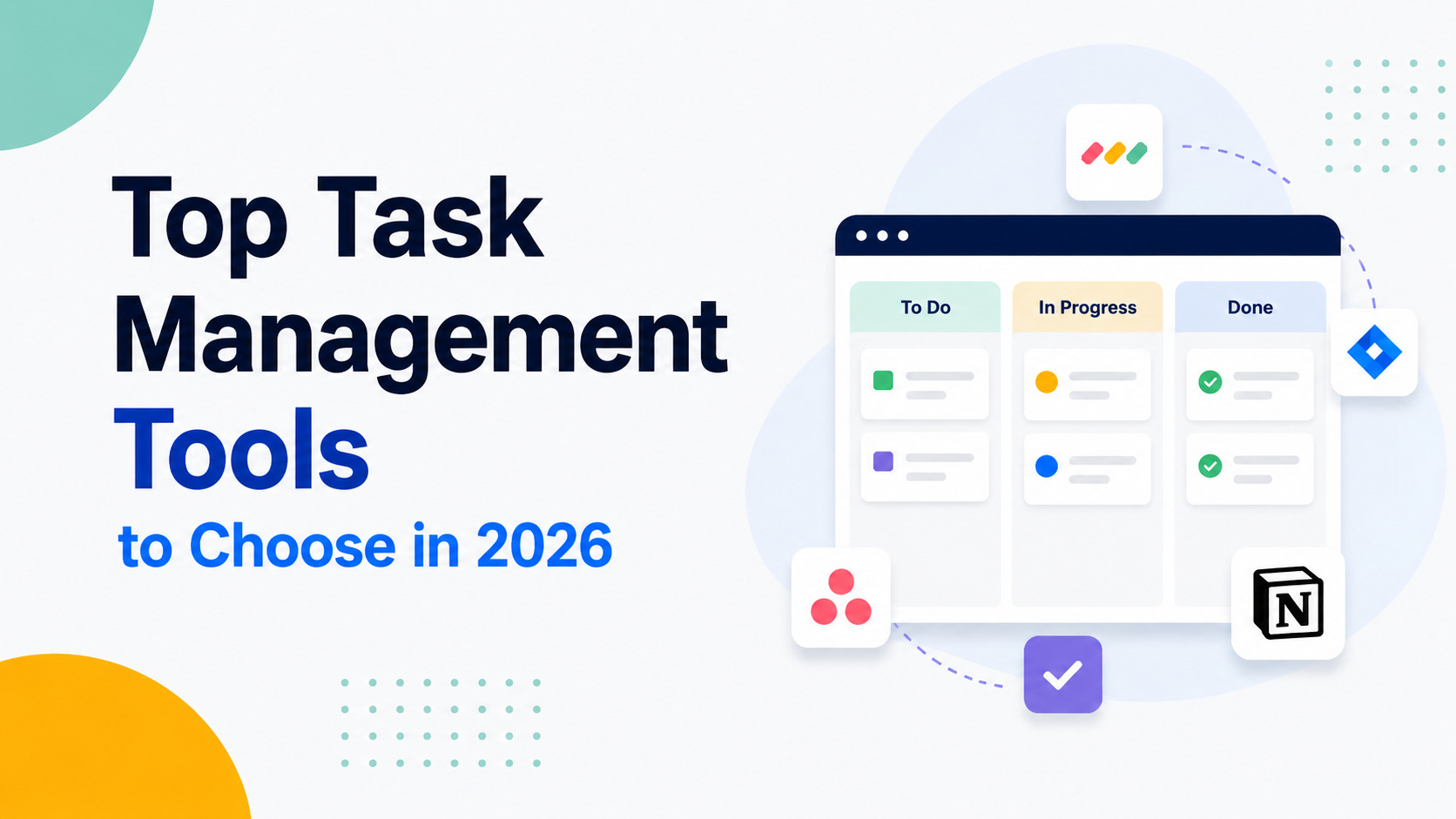
To maintain organization, manage dependencies, and facilitate communication across modern business landscapes, Product Owners rely heavily on specialized digital platforms.
1. Jira
Developed by Atlassian, Jira is the industry-standard project tracking tool for Agile development teams. Product Owners use it to build robust backlogs, map out user epics, organize sprints, and track development velocity using built-in burndown charts.
2. Azure DevOps
Microsoft’s integrated suite provides comprehensive lifecycle management. It allows Product Owners to link business requirements and user stories directly to source code repositories, automated testing pipelines, and deployment builds.
3. ClickUp
An all-in-one productivity platform that combines task management, document collaboration, and goal tracking. Product Owners leverage ClickUp to build highly visible, customized dashboards that simplify progress reporting for executive stakeholders.
4. Asana
Known for its clean, user-friendly interface, Asana helps Product Owners orchestrate cross-functional workflows. It excel at mapping out high-level product launches, marketing alignments, and visual roadmaps that keep non-technical departments informed.
5. Monday.com
A highly visual work operating system that enables teams to build custom workflow applications. It is often used by Product Owners to manage strategic product portfolios, track operational resource allocation, and view broad project timelines.
To dig deeper into the evolving digital ecosystems supporting these tools, explore current productive management trends and review this breakdown of leading project management tools to find the right fit for your team infrastructure.
Common Challenges Faced by Product Owners
The Product Owner role can be really tough because it comes with a lot of challenges that need to be dealt with carefully.
Product Owners have to deal with a lot of confusion about what their role's. Sometimes people think they do the job as Product Managers.. Product Managers focus on things like making sure a product will sell and coming up with long term plans. Product Owners on the hand focus on making sure the product is made correctly and that the right things are being worked on. When people do not understand the difference it can cause problems.
The Product Owner can get stuck in a trap where they feel like they have to say yes to every request. This happens because there is a lot of pressure to meet sales goals and make the people in charge.. Saying yes to everything can make the product confusing and overwhelming and it can also make the engineering team very tired.
Product Owners are often responsible for making sure a product is successful. They do not always have the power to make the final decisions. This means they have to rely on being able to persuade others to get things done.
Product Owners also have to deal with the fact that they do not have time to fix old problems. They are often pushed to add features to a product so they do not have time to fix the problems that are already there or to make the product better, on the inside. This can cause problems later on.
Best Practices for Successful Product Ownership
To navigate these structural challenges and drive consistent, scalable product delivery, successful Product Owners rely on proven operational frameworks:
- Prioritize Ruthlessly: Adopt validated frameworks like the MoSCoW method (Must have, Should have, Could have, Won't have) or Value vs. Complexity matrices to evaluate incoming backlog requests objectively.
- Cultivate an Open Feedback Loop: Schedule consistent validation sessions with active customers, leveraging actual user behavior data over speculative internal assumptions.
- Embrace the Power of "No": Protect the development team's cognitive load and preserve the integrity of the product architecture by systematically rejecting features that do not align with core business goals.
- Maintain Backlog Transparency: Keep the product backlog visible to everyone in the organization to clarify priorities, prevent surprise feature requests, and manage expectations across departments.
- Invest in Collaborative Ecosystems: Utilize modern team collaboration tools to break down information silos between technical teams and remote stakeholders.
Conclusion
The Product Owner role is a linchpin of modern, high-performing Agile organizations. By taking complete ownership of the product backlog, translating complex customer requirements into actionable technical mandates, and balancing strategic business goals with realistic development timelines, Product Owners ensure that engineering effort translates directly into market value. For professional frameworks and ongoing industry insights into advanced product practices, explore resources hosted by Mind the Product, check out specialized product methodologies on Roman Pichler's platform, or review corporate product leadership research via Gartner Product Management.
FAQs
1. What is the difference between a Product Owner and a Product Manager?
The Product Owner and the Product Manager are two roles. They both want to deliver product value.. They do different things. The Product Manager looks at the market and the competition. They decide how much things should cost and what the product should be like in the run. The Product Owner works with the development team. They take the plan and turn it into small tasks that the team can do. They make sure the team has the work to do and that the work is good enough. Sometimes one person does both jobs.
2. Can a Scrum Master also be the Product Owner on the team?
No this is not an idea. The Scrum Master and the Product Owner have jobs. The Product Owner wants to get things done and make the product good. The Scrum Master wants to make sure the team is working well and that the process is good. If one person does both jobs it can cause problems. The team might get much work and get tired. The process might not work well.
3. How does a Product Owner decide what to do when there is a lot of work to do?
The Product Owner uses methods to decide what to do first. They do not just choose what they think is best. They use things like the MoSCoW framework and the Value vs. Effort matrix. They look at how much each task's worth and how hard it is to do. They choose the tasks that're most important and easiest to do. The Product Owner always looks at each task. Decides if it is worth doing.
4. What does a Product Owner do during Sprint Planning?
During Sprint Planning the Product Owner tells the team what needs to be done. They explain why each task is important and what the team needs to do. The team then decides how work they can do. The Product Owner makes sure the team knows what to do and why.
5. What are the signs of a managed product backlog?
A managed product backlog has many problems. There might be many old ideas that are not good anymore. The tasks might not be clear. The team might not know what to do. The tasks might not be, in the order and the team might not know what is most important. If the important tasks keep changing it means the team and the stakeholders do not agree. This causes problems and the team gets frustrated. The Product Owner should make sure the backlog is healthy and the team knows what to do.
Useful Links:
https://scrumguides.org/ - scrum guide
https://www.pmi.org/certifications/agile-acp - project management Institute for certifications
https://www.mindtheproduct.com/
https://www.productplan.com/ - product plan product management blog
https://www.aha.io/ - Aha! Product Management Blog






 Whatsapp
 Email
Email