Job
enquiry:+91-9121642626
Job
enquiry:+91-9121642626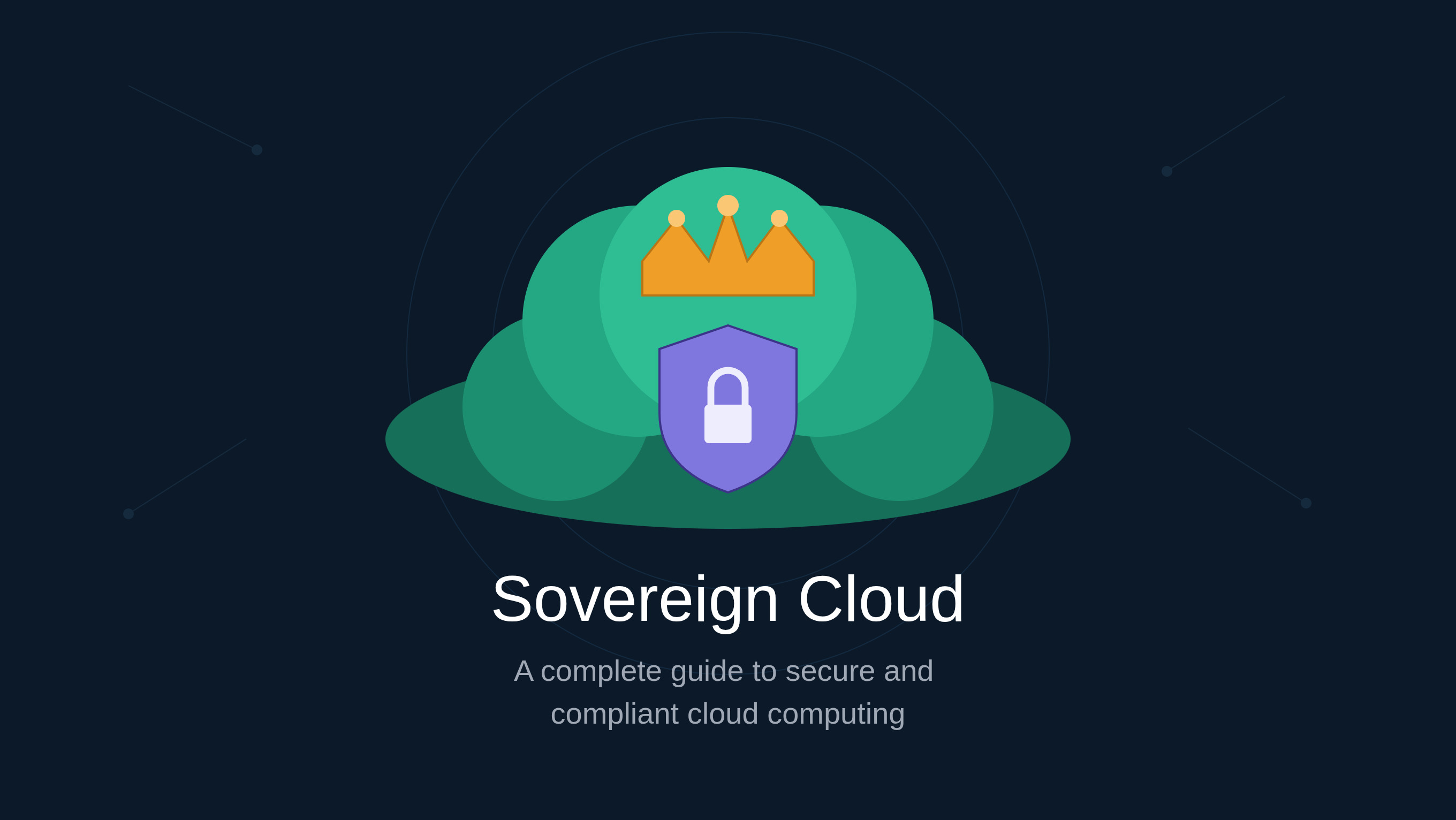
Sovereign Cloud: A Complete Guide to Secure and Compliant Cloud Computing
Sovereign Cloud is a cloud computing model designed to ensure that data remains under the jurisdiction, governance, and legal control of a specific country or region. It helps organizations meet strict data residency, privacy, security, and regulatory compliance requirements while leveraging the scalability and flexibility of cloud technology.
In this guide, you'll learn what sovereign cloud is, how it works, why it has become increasingly important for governments and regulated industries, its key benefits and challenges, and how it compares with public, private, and hybrid cloud models. We'll also explore real-world use cases, leading sovereign cloud providers, and the factors organizations should consider before adopting a sovereign cloud strategy.
What is a Sovereign Cloud?
A Sovereign Cloud is a kind of cloud that makes sure all the information and programs stay under the control of a specific country or region. This means that the information is stored and used in that country or region and not in other places around the world.
The main point of a Sovereign Cloud is to keep control over the information. This is called data sovereignty. It means that the information has to follow the rules of the country where it is collected or stored. Companies that provide Sovereign Cloud services build their systems to store information locally have local teams to manage it and do not let people from countries access it.
This is very important for government agencies, banks, hospitals and any business that handles information. These organizations often work with companies that help them build programs, for the cloud that meet all the strict rules and requirements of a Sovereign Cloud from the very beginning.
Why Sovereign Cloud Matters
Sovereign cloud is really important because the rules about protecting data are getting tougher everywhere. If we do not follow these rules we can get in trouble people might think badly of us and our customers will not trust us. There are rules like the GDPR in Europe and rules in India that say certain kinds of data cannot leave the country.
Sovereign cloud is also important because it helps with problems that can happen when different countries have rules. Companies that work in countries want to make sure their data is safe from other governments trying to get to it. They do not want other countries to spy on them or ask for their data. Sovereign cloud helps by keeping everything like the equipment and the secret codes in one place where we have control.
For companies that handle very sensitive customer data using a sovereign cloud is not just about following the rules it is a big decision that helps keep them out of legal trouble makes customers trust them more and helps them do well in the long run, with their digital plans.
Key Features of Sovereign Cloud
Sovereign cloud solutions are built around a set of defining features that distinguish them from standard cloud offerings:
- Data residency guarantees: Data is stored and processed exclusively within a specific geographic region.
- Local operational control: Infrastructure is managed by local teams, reducing dependency on foreign personnel or entities.
- Independent encryption key management: Organizations retain control over encryption keys rather than relying on the cloud provider.
- Regulatory alignment: Built-in compliance with local data protection laws and industry-specific regulations.
- Restricted foreign access: Strict controls prevent unauthorized access from outside the sovereign jurisdiction.
- Auditability and transparency: Detailed logging and reporting to demonstrate compliance during audits.
Strong cloud security practices are foundational to sovereign cloud environments, since data residency alone does not guarantee protection against breaches, insider threats, or misconfigurations. Sovereign cloud providers typically layer advanced security controls, including identity and access management, network segmentation, and continuous monitoring, on top of jurisdictional safeguards.
How Sovereign Cloud Works
The Sovereign Cloud works by putting together rules for the infrastructure and rules for how things are run. The Sovereign Cloud has data centers in the places where they are needed. It is set up so that data is not copied or backed up in other countries. The way the network is set up helps keep data from going to countries when it is being sent.
At the level of rules the people who provide the Sovereign Cloud make sure that only the right people can get to the data. They do this by checking the people who work for them and making sure they are who they say they are and by giving them access to the data based on what their job's. The Sovereign Cloud providers also promise that companies from countries cannot get to the customers data without the law saying it is okay in that country.
The Sovereign Cloud also uses something called encryption to keep data safe. A lot of the time the Sovereign Cloud lets the customer be in charge of the encryption keys. This is called "bring your key" or "hold your own key". This means that even if someone else is hosting the infrastructure the customer is still in charge of who can get to the data. The Sovereign Cloud is about keeping the customers data safe and making sure they are, in control of the Sovereign Cloud.
Sovereign Cloud vs Public Cloud
Public cloud platforms from companies like Microsoft Azure and Amazon Web Services are good because they can grow and change easily. They have data centers all around the world. This means people can use them from anywhere and they can handle a lot of users.
Sovereign Cloud is different. It does not spread out over the world like Public Cloud. Instead it stays in one place so it can follow the laws of that place. Public Cloud is great for being available and flexible. Sovereign Cloud is better for keeping data safe and following rules. Public Cloud might be cheaper. Have more things you can use but Sovereign Cloud is better for companies that have to follow strict rules, about where their data can go.
A lot of companies use both Public Cloud and Sovereign Cloud. They use Public Cloud for things and Sovereign Cloud for important or secret data. This way they can get the benefits of both Sovereign Cloud and Public Cloud.
Sovereign Cloud vs Private Cloud
Private cloud is a setup that only one organization uses. It can be on their site or hosted by someone else. This kind of cloud gives a lot of control. Can be customized.. It does not automatically follow data residency laws.
To follow these laws it needs to be set up in a way.
A sovereign cloud is a kind of private cloud. It is made to meet laws and rules about where data is stored and who can access it.
The main difference between sovereign clouds is their purpose. Private cloud is about keeping data isolated and having resources. Sovereign cloud is about following laws and rules. It also focuses on protecting data in a way that is enforced by law.
Some providers, like VMware offer private cloud technology. This can be used to make a cloud if it is set up with the right controls. These controls help with data residency and governance.
Sovereign Cloud vs Hybrid Cloud
Cloud is a mix of public and private cloud. It helps companies move their work to clouds based on cost, speed or size needs. This is good for balancing doing things with having control.. It can get complicated when sensitive data moves between different cloud setups.
Sovereign cloud can work with a plan. You can pick sovereign areas for sensitive data. Other work can run on private clouds. The big difference is that sovereign cloud has rules on where some data can be. Hybrid cloud is about moving work around.
Companies, like IBM Cloud offer both sovereign cloud solutions. These are meant to help companies be flexible and follow rules at the time.
Sovereign Cloud Use Cases
Sovereign cloud is widely adopted across sectors where data protection and regulatory compliance are non-negotiable:
- Government agencies: Storing citizen data, defense information, and classified records within national borders.
- Financial services: Meeting banking regulations that require customer financial data to remain within specific jurisdictions.
- Healthcare: Protecting patient records in compliance with health data privacy laws.
- Critical infrastructure: Securing data related to energy, telecommunications, and utilities from foreign interference.
- Public sector digital transformation: Supporting e-governance initiatives while maintaining full control over citizen data.
Across these use cases, sovereign cloud enables digital transformation without compromising on legal or security obligations.
Data Sovereignty and Regulatory Compliance
Data sovereignty is the base of a cloud and following the rules is the main reason for it. There are groups like NIST that publish guidelines on how to keep things manage risks and protect data. These are the things that companies that provide cloud services try to do so that people trust them.
The rules that companies have to follow are different depending on what kind of business they're in and where they are located. These rules cover things like where data's stored how quickly a company has to tell someone if there is a problem with their data, who can look at the data and whether other companies can check to make sure everything is okay. Companies have to keep an eye on these rules all the time because the laws about protecting data are always changing to deal with technologies and new problems.
If a company has a plan for Data Privacy and Compliance it can match what it does with the sovereign cloud to the specific rules it has to follow. This helps the company avoid getting in trouble and having to pay a lot of money.
Following the rules is not the only thing that is important. Companies also need to have plans to keep their computers and data safe from cyber attacks. This is essential for cloud services because it makes sure that the company is protected from a technical standpoint and that it is following the rules of the country it is, in. Data sovereignty is important here. Companies need to make sure they are doing everything they can to protect their data and follow the rules.
How Tvisha Technologies Enables Sovereign Cloud
Adopting a sovereign cloud requires more than selecting the right cloud platform-it demands a well-planned strategy that aligns with regulatory, security, and business requirements. Tvisha Technologies helps organizations build secure, scalable, and compliance-ready sovereign cloud environments tailored to their operational needs.
Our cloud experts provide end-to-end services, including cloud consulting, migration planning, infrastructure modernization, and deployment of compliance-focused cloud architectures. We implement robust security measures such as identity and access management, encryption, network segmentation, and continuous monitoring to protect sensitive data while ensuring adherence to local and industry-specific regulations.
Whether you're a government agency, healthcare provider, financial institution, or enterprise handling regulated data, Tvisha Technologies enables a seamless transition to sovereign cloud with minimal disruption. From initial assessment and implementation to ongoing management and optimization, we help organizations leverage the benefits of sovereign cloud while maintaining complete control over their data, strengthening security, and supporting long-term digital transformation goals.
Future of Sovereign Cloud
The future of Sovereign Cloud is really connected to how global data protection rulesre changing and the rising tensions between countries over who controls data. As more countries make rules or strengthen old ones about keeping data local more people will want to use Sovereign Cloud solutions in both the public and private sectors.
Some new things that are happening include making intelligence platforms that are also subject to the laws of a specific country so the data used to train the AI has to follow those laws too.
Cloud companies are now making products that're just for certain regions and they are working with local governments or phone companies to do this so they can meet the new rules that everyone has to follow.
Since more people are working from home and data is moving across borders and more companies are using the cloud Sovereign Cloud will probably become a part of how companies plan their cloud use, not just something, for industries that have a lot of rules to follow.
Conclusion
The sovereign cloud is a change in the way we do cloud computing. It is very important because we need to keep our data safe and follow the rules. The rules for keeping data safe are getting tougher. Countries are getting more involved in technology decisions. This is where the sovereign cloud comes in. It helps organizations come up with ideas and grow without breaking any laws or security rules. For example government agencies, banks and hospitals need to understand the cloud. This is so they can build a system that is safe and follows all the rules. The sovereign cloud is essential for these organizations to be ready, for the future.
FAQs
1. What is the main difference between cloud and traditional cloud computing?
The main difference between cloud and traditional cloud computing is that sovereign cloud stores and processes data in a specific country or region. This is different from cloud computing, which stores data in many different places around the world to save money and work better. Sovereign cloud is used to follow laws so data does not leave the country. It also has local teams to run it and manage the encryption keys so no one from outside the country can access the data without permission. This makes sovereign cloud a good choice for industries that have to follow a lot of rules like government agencies and banks.
2. Which industries benefit the most from cloud?
Industries that handle very sensitive or regulated data benefit the most from sovereign cloud. This includes government agencies that manage information about citizens and defense banks that have to follow rules and healthcare organizations that protect patient records. Other industries like energy, telecommunications and utilities also use cloud to protect their operational data. Any business that operates in countries and handles customer data that is subject to local laws can also benefit from using sovereign cloud to reduce legal risks.
3. Does sovereign cloud guarantee data security?
Sovereign cloud mainly guarantees that data is stored and processed in a country or region but it does not automatically guarantee that the data is completely secure. Organizations still need to use security measures, like encryption and access controls to protect their data. Cloud and security work together: sovereign cloud makes sure that data is stored and processed in the right place and security measures protect against hacking and other threats. To really protect data organizations need to use both cloud and strong security controls.
4. Can sovereign cloud be integrated with hybrid cloud environments?
Yes sovereign cloud can be used with hybrid cloud environments. Many organizations use cloud for sensitive data and public or private cloud for other data. This allows businesses to save money and be more flexible while still following rules. The key is to make sure that sensitive data is only stored and processed in the cloud environment while other data can be stored and processed in other environments.
5. What role does encryption play in cloud?
Encryption is an important part of sovereign cloud. Many sovereign cloud models allow organizations to manage their encryption keys so they have complete control over who can access their data. This, combined with the fact that data is only stored and processed in a country or region helps ensure that sovereign cloud environments meet all the requirements for protecting data. This means that organizations can trust that their data is safe and secure, in a cloud environment.







 Whatsapp
 Email
Email