Job
enquiry:+91-9121642626
Job
enquiry:+91-9121642626
System Testing: Complete Guide to Process, Types, Techniques, and Examples
Software quality is essential for the success of any application. No matter how well a product is designed or developed, it must undergo thorough testing before it reaches end users. Among the various levels of software testing, system testing is one of the most important because it validates the complete application as a whole and ensures that all integrated components work together as expected.
System testing helps identify functional issues, performance bottlenecks, security vulnerabilities, integration problems, and usability concerns before the software is released. By conducting comprehensive system testing, organizations can improve software reliability, reduce business risks, enhance user satisfaction, and ensure that the final product meets both technical and business requirements.
In this comprehensive guide, we will explore what system testing is, its objectives and importance in the software development lifecycle, the different types of system testing, the system testing process, testing techniques and methodologies, commonly used tools, challenges faced by testing teams, best practices for effective testing, and how organizations can achieve higher software quality through a well-structured system testing strategy.
What Is System Testing?
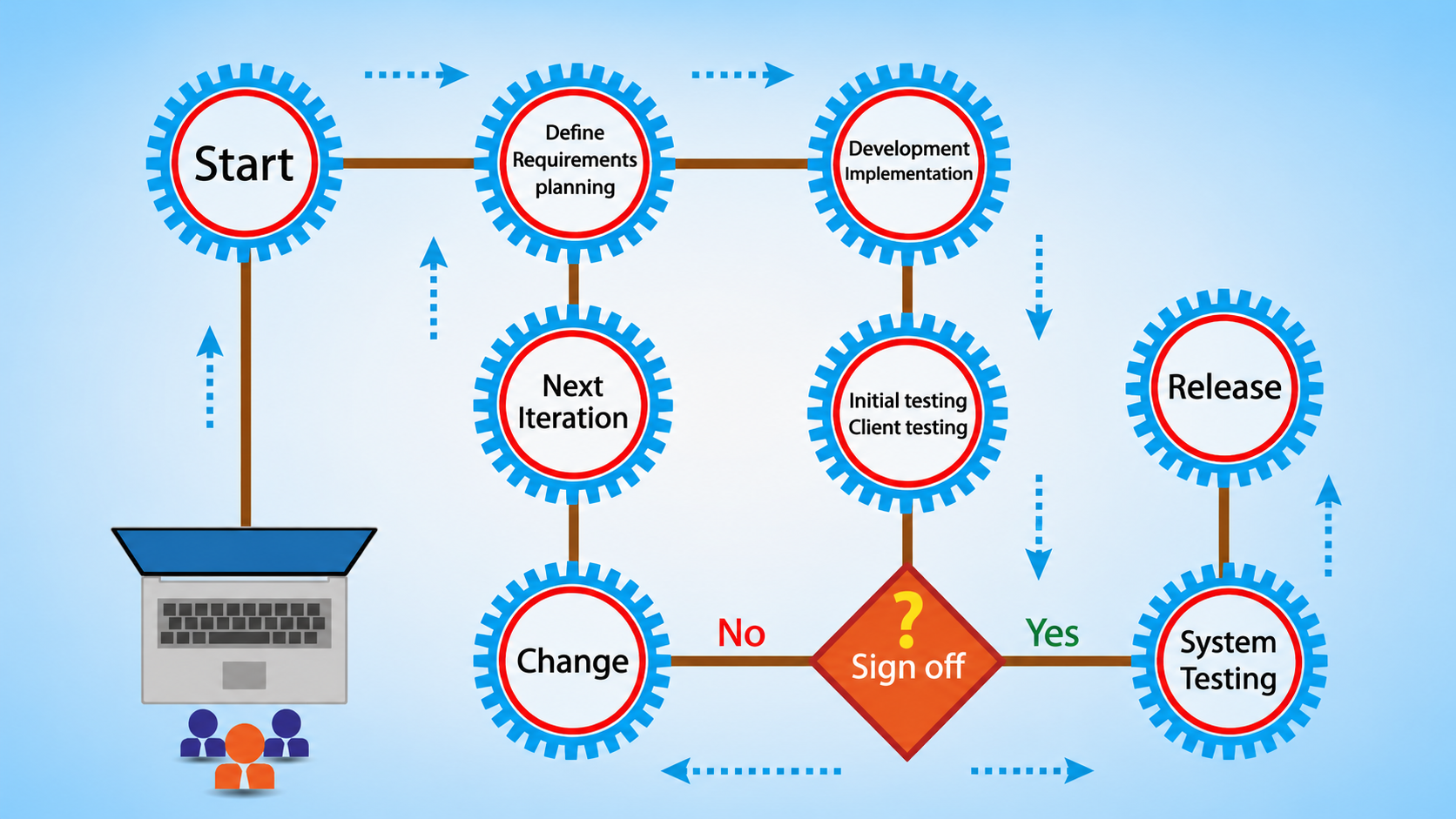
System testing is a level of software testing where we test the application to see if it does what it is supposed to do. This happens after we have tested all the parts together. Before we let the users try it out.
The main goal of system testing is to check if the software works well is secure and does what it should do in a setting that's similar to the real world.
System testing looks at the application to make sure everything works together like it should from the users point of view. We check to see if all the parts of the application work together and give the right results, which is different, from testing individual parts.
Why System Testing Is Important
System testing is really important for making sure software works well and projects are successful.
It gives us benefits such as :
Validates Complete Functionality
System testing makes sure all parts of the software work together properly and meet the business needs.This is important because it checks if everything works as expected.
Detects Critical Defects
System testing finds defects that we might not see when testing parts or integrating them.These defects are critical because they can cause problems.
Improves User Experience
When we test software from the users point of view we find issues with how easy it's to use and how well it works.This helps us make the software better for users.
Reduces Business Risks
If we find security problems and performance issues early we can fix them before they cause trouble.This reduces the risks to the business.
Ensures Compliance
For companies in industries with rules system testing helps make sure they follow all the regulations and standards.This is crucial, for avoiding financial problems.
System Testing Process
A structured system testing process helps organizations achieve comprehensive software validation.
Requirement Analysis
The first step involves analyzing functional and non-functional requirements. Testers review specifications to understand expected system behavior and identify testing objectives.
Key activities include:
- Reviewing business requirements
- Identifying test scenarios
- Understanding system workflows
- Defining testing scope
Test Planning
A detailed test plan serves as the foundation for successful testing.
The test plan typically includes:
- Testing objectives
- Resource allocation
- Test schedule
- Risk assessment
- Entry and exit criteria
Test Case Design
Test cases are created to validate all functional and non-functional requirements.
Effective test cases should:
- Cover positive and negative scenarios
- Include expected outcomes
- Be reusable and traceable
- Address critical business processes
Test Environment Setup
A test environment that closely resembles production is essential for accurate results.
The setup includes:
- Servers and databases
- Network configurations
- Software versions
- Third-party integrations
Test Execution
During execution, testers run predefined test cases and document results.
Activities include:
- Executing test scenarios
- Recording outcomes
- Logging defects
- Retesting resolved issues
Defect Reporting
Any deviations from expected behavior are documented and shared with development teams.
A good defect report contains:
- Defect description
- Steps to reproduce
- Severity level
- Screenshots and logs
Test Closure
Once testing objectives are achieved, the team evaluates testing results and prepares closure reports.
The report typically includes:
- Test coverage
- Defect statistics
- Lessons learned
- Recommendations
Types of System Testing
Different testing types help evaluate various aspects of software quality.
Functional Testing
Functional testing verifies whether the application performs according to business requirements.
Examples include:
- Login functionality
- Form submissions
- Payment processing
- Search operations
Performance Testing
Performance testing measures system responsiveness and stability under different workloads.
Common performance metrics:
- Response time
- Throughput
- Resource utilization
Security Testing
Security testing identifies vulnerabilities and ensures protection against cyber threats.
It validates:
- Authentication
- Authorization
- Data encryption
- Access controls
Usability Testing
Usability testing evaluates how easily users can interact with the application.
Key factors include:
- Navigation
- Interface design
- Accessibility
- User satisfaction
Compatibility Testing
Compatibility testing ensures software functions properly across different platforms.
Testing areas include:
- Browsers
- Devices
- Operating systems
- Screen resolutions
Reliability Testing
Reliability testing verifies system consistency under normal operating conditions.
The goal is to ensure uninterrupted performance over time.
Recovery Testing
Recovery testing evaluates how effectively the system recovers after failures such as crashes, network interruptions, or hardware issues.
Scalability Testing
Scalability testing measures the application's ability to handle increasing workloads while maintaining performance.
Regression Testing
Regression testing confirms that recent code changes do not negatively affect existing functionality.
System Testing Techniques
Several techniques are used to improve testing efficiency and coverage.
Black Box Testing
Black box testing focuses on system behavior without examining internal code structures.
Testers provide inputs and validate outputs based on requirements.
Risk-Based Testing
This approach prioritizes testing activities according to business and technical risks.
High-risk features receive greater testing attention.
Exploratory Testing
Testers actively explore the application while designing and executing tests simultaneously.
This technique often reveals unexpected defects.
Scenario-Based Testing
Real-world user scenarios are tested to ensure business processes function correctly.
Example:
- Completing an online purchase from product selection to payment confirmation.
Boundary Value Analysis
Boundary value analysis focuses on testing input values at their limits.
For example:
- Testing age fields with minimum and maximum acceptable values.
System Testing Methodologies
Organizations use different methodologies based on project requirements.
Traditional Testing
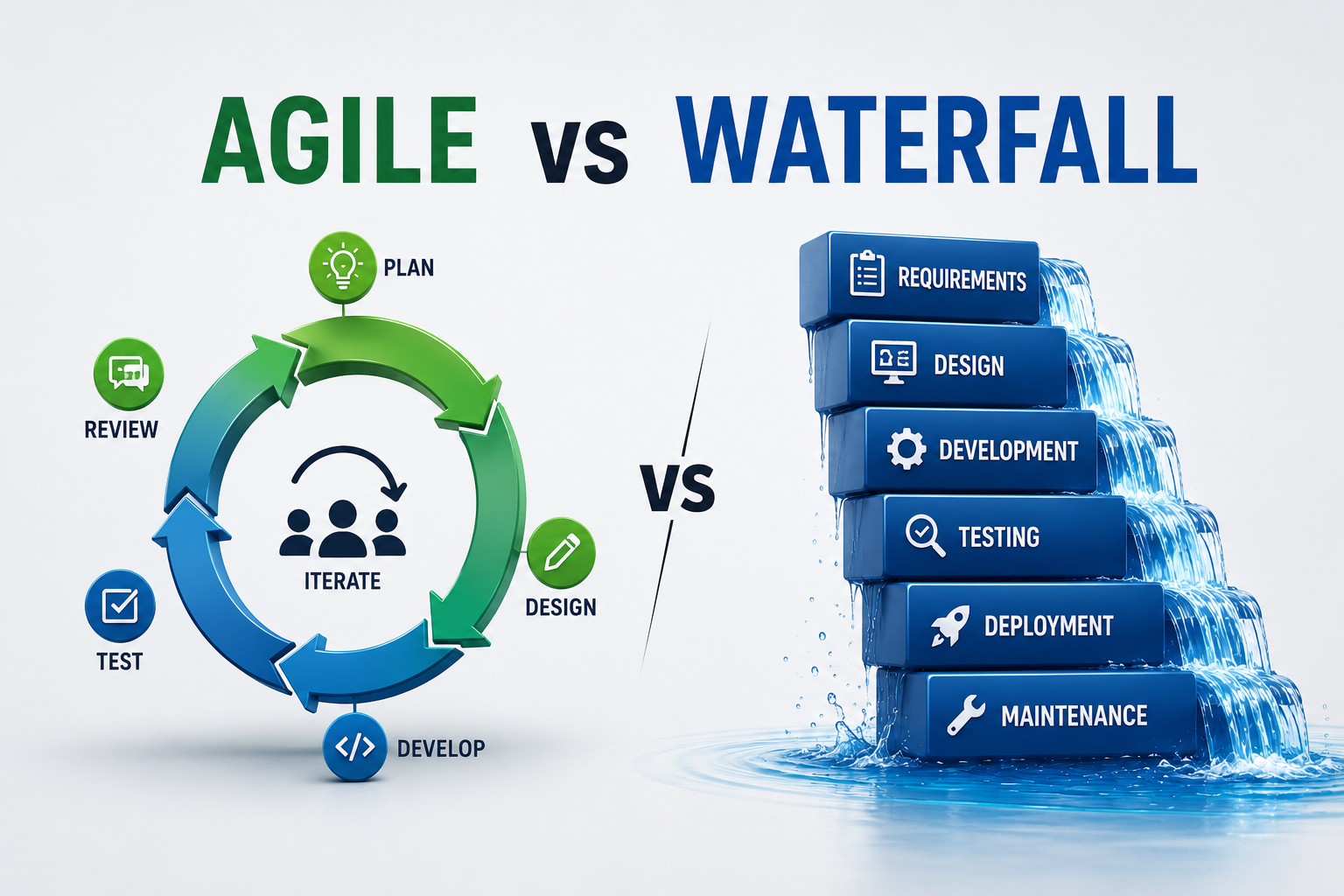
Traditional testing is performed after the development phase is completed. Testers evaluate the entire application to verify that all requirements have been implemented correctly. This methodology is commonly used in Waterfall projects, where testing occurs as a separate phase before deployment.
Agile Testing
Agile testing is conducted continuously throughout the software development lifecycle. Testing activities are integrated into each sprint, allowing teams to identify and resolve issues early. Agile teams focus on collaboration, test automation, and rapid feedback to ensure faster and higher-quality software delivery.
DevOps Testing
DevOps testing integrates testing directly into Continuous Integration and Continuous Deployment (CI/CD) pipelines. Automated tests are executed whenever code changes are made, enabling faster releases and quicker defect detection. This methodology helps organizations maintain software quality while supporting continuous delivery practices
Continuous Testing
Automated tests run continuously throughout the development lifecycle to detect defects early.
Best Practices for Effective System Testing
Following proven practices can significantly improve testing outcomes.
Develop Comprehensive Test Cases
Create detailed test cases that cover all functional requirements, business processes, user workflows, and possible edge cases. Comprehensive coverage helps identify defects early and ensures the system behaves as expected under different conditions.
Maintain Requirement Traceability
Link test cases to specific business and technical requirements using a Requirement Traceability Matrix (RTM). This ensures that every requirement is validated and helps teams identify any gaps in test coverage.
Prioritize Critical Features
Focus testing efforts on high-risk and business-critical functionalities first. Prioritizing important features helps minimize operational risks and ensures core application functions work correctly before release.
Use Test Automation
Automate repetitive and frequently executed test cases to improve testing speed and consistency. Test automation reduces manual effort, increases efficiency, and supports faster software delive
Conduct Regular Regression Testing
Perform regression testing whenever changes, updates, or bug fixes are introduced. This helps verify that existing functionality remains unaffected and prevents new defects from impacting users.
Simulate Real-World Conditions
Test the application in environments that closely resemble production settings. Simulating real-world scenarios helps uncover performance, compatibility, and usability issues before deployment.
Tools Used for System Testing
Modern testing tools help teams improve accuracy and productivity.
Selenium
Organizations frequently use the Selenium automation testing framework to automate repetitive test cases and improve the speed and accuracy of system testing activities.
JMeter
Meter is a powerful performance testing tool used to evaluate how applications behave under various load conditions. It helps teams measure response times, identify performance bottlenecks, and assess system stability during peak usage.
Postman
Postman is a popular API testing tool that allows developers and testers to create, send, and validate API requests efficiently. It simplifies API testing by supporting automated tests, request collections, and detailed response analysis.
BrowserStack
BrowserStack the cloud-based testing platform that enables teams to test applications across a wide range of browsers, devices, and operating systems. It helps ensure compatibility and provides a consistent user experience across different environments.
TestComplete
TestComplete is a comprehensive automated testing tool that supports desktop, web, and mobile application testing. It enables teams to create robust automated test scripts and perform cross-platform testing to improve overall software quality.
How Tvisha Technologies Ensures Effective System Testing
At Tvisha Technologies they make sure to check the quality of their work at every step of the way when they are developing software.They have a plan for quality assurance that they follow.
QA Strategy
They have a system in place to make sure everything gets tested. This system is, like a framework that helps them test everything thoroughly at every stage of the project.
Automated Testing Frameworks
These Automated Testing Frameworks help them test things faster and more accurately.
Performance and Security Validation
They do this before they deploy the applications to make sure they work well and are secure.
Continuous Quality Monitoring
This is called Continuous Quality Monitoring.It helps them find and fix problems quickly. By doing all these things Tvisha Technologies is able to create software that's strong works well and is of high quality.
Future Trends in System Testing
The software testing landscape continues to evolve rapidly.
AI-Powered Testing
Artificial intelligence is being used to make testing easier. It helps us make tests run them and find problems. AI-Powered Testing is really helpful.
Shift-Left Testing
We are starting to test things in the process. This helps us save money and avoid problems. Shift-Left Testing is a way to do things.
Continuous Testing
Companies are using automated testing more and more. They are putting it into their development processes.This is what we call Continuous Testing.
Cloud-Based Testing
We can use cloud platforms to test things in ways.Cloud-Based Testing is very useful.
Intelligent Test Automation
There are tools that can help us automate testing.Intelligent Test Automation is making things easier, for us.These tools are really advanced.
Conclusion
System testing is an important part of making software. It checks the application before it is released to make sure everything works together properly. This means system testing makes sure the software does what it is supposed to do it works fast it is safe and it is easy to use.
If companies follow a testing plan use the right methods and have the right tools they can make their software much better and make their customers happier. As new technology comes out new ideas, like using intelligence to test and always testing will make system testing even better.
Frequently Asked Questions (FAQs)
1. What is system testing in software engineering?
System testing in software engineering is a type of testing in which the entire integrated system is put through tests to confirm that it satisfies specified requirements for functionality and non-functionality. Testing occurs after integration testing but before user acceptance testing. System testing assesses whether the software works as an entire system by validating factors such as performance, security, usability, reliability, and compatibility. Companies rely on these processes to ensure they detect defects early enough to offer quality software products to end-users.
2. What are the different types of system testing?
System testing involves several testing techniques designed to check specific features of a computer application. Some of the most common types include functional testing, performance testing, security testing, usability testing, compatibility testing, reliability testing, recovery testing, scalability testing, and regression testing. All these types target different parts of the software system. Together, these types offer a comprehensive assessment of the software application under test.
3. What is the difference between integration testing and system testing?
Integration testing is mainly concerned with the interactions among modules that have been combined together. This test ensures proper data flow between the integrated modules. On the other hand, system testing involves evaluating an entire application as a system. The differences lie in the fact that while integration testing looks at how modules interact, system testing assesses functionality, performance, and usability of a system. Although integration testing and system testing are both necessary in software development, system testing is more extensive.
4. Why is system testing important for software quality?
System testing is essential when it comes to achieving software quality for many reasons. It is done to determine whether the software application has any faults related to its functionalities, performance, security, and usability. If conducted effectively, system testing can significantly improve software quality by reducing failures in production, improving user satisfaction, and cutting down maintenance costs. In essence, system testing is critical since it helps ensure reliability, compliance with business needs, and reduces software risks.
5. Which tools are commonly used for system testing?
There are some tools used in the process of system testing according to the project needs. Selenium is used to conduct automated web application testing. JMeter is one tool used in the process of performance and load testing. Postman is an excellent tool that can be used to validate APIs and web services. BrowserStack is used to carry out cross-browser and cross-device testing.









 Whatsapp
 Email
Email