Job
enquiry:+91-9121642626
Job
enquiry:+91-9121642626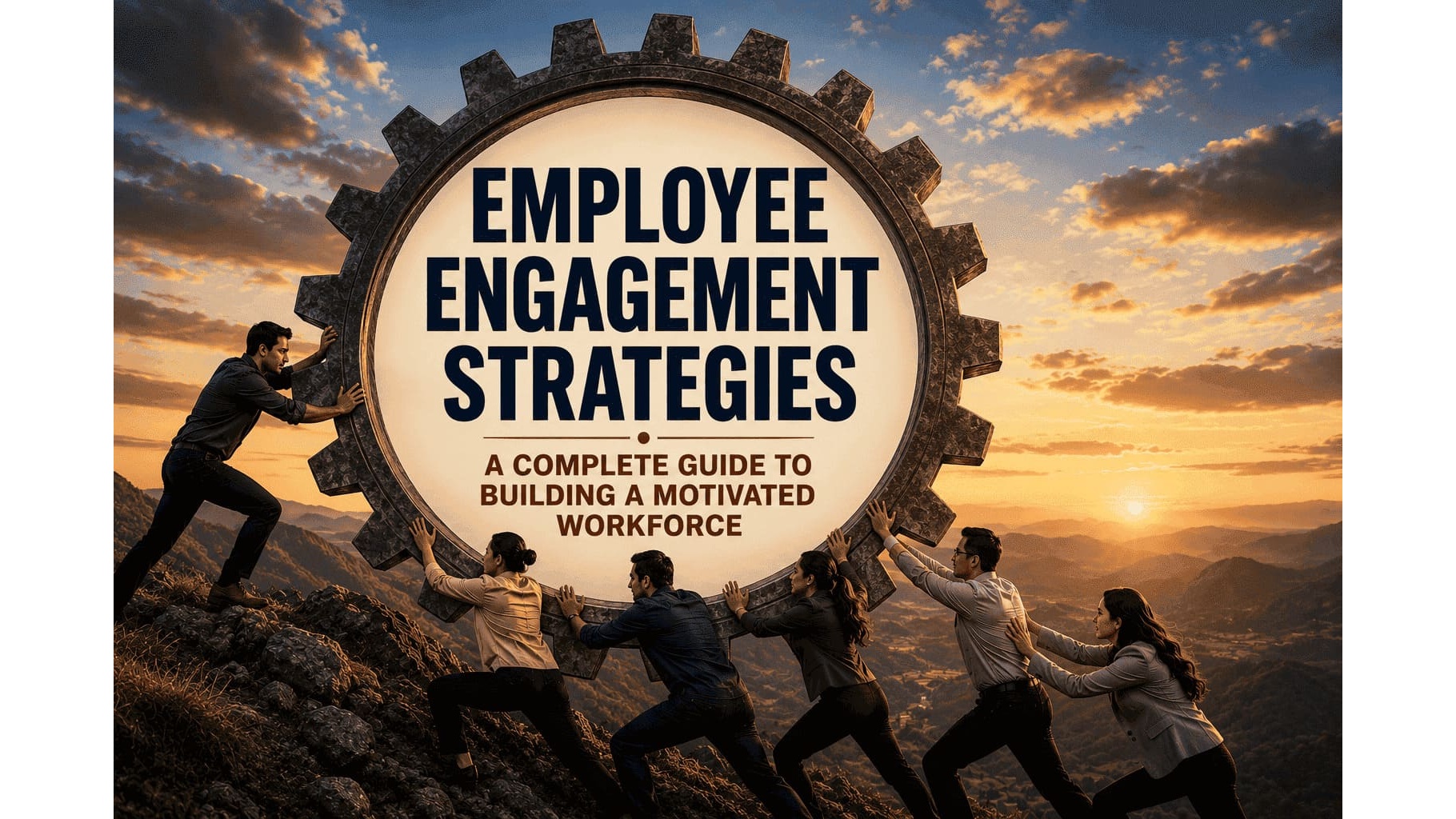
Employee Engagement Strategies: A Complete Guide to Building a Motivated Workforce
The success of a business goes beyond products and services or technologies it provides; instead, a company depends on its workforce. Workers who are engaged, motivated, and happy at work tend to give their best efforts, come up with new ideas, and stay loyal to the organization. In contrast, when workers are disengaged, they may not perform well, lack innovation, and be more prone to quitting their jobs. Consequently, businesses need to find ways to engage their workers to enhance productivity, performance, and retention rate.
That's where employee engagement comes into play. Through the creation of positive environments, fostering communication, celebrating accomplishments, and developing employees professionally, organizations can engage their employees, who will become not only productive but also happy.
In this article, we will discuss what employee engagement means, explain why it matters, and look at the strategies used by successful businesses. We will also analyze the advantages of such an approach, possible challenges, real-life examples, and the ways how to measure success.
What Are Employee Engagement Strategies?
Employee engagement strategies are plans that companies use to help their employees feel connected to the work they do every day the people they work with and what the company is trying to do. These plans are not things that can be fixed overnight like putting a game table in the break room or buying pizza for everyone once a month. They are things that managers do every day to help build a culture at work.
A good employee engagement strategy is about building trust with employees helping them when they need it and making sure they know how important they are. Real employee engagement happens when a company stops looking at how happy employees are and starts thinking about it as a key part of how the business works. It is about making a place where people really want to come to work and do their job. Employee engagement strategies are important for companies to have because they help make employees feel valued and happy and that is what employee engagement strategies are, about.
Why Employee Engagement Is Important
The way your team feels about their work at your company is really important. When team members do not like their work they do not do it well. They make mistakes and some of your team members will leave your company. If you take the time to make your team feel supported they will do work and your company will do better too. Your team feels happy when they have a work culture, at your company. This helps your company grow and do well.
- Higher Productivity: The higher Producticity is when people care about the outcome of their projects, they pay closer attention to detail and manage their time better.
- Lower Employee Turnover: Replacing staff is expensive, time-consuming, and disrupts your daily operations. A connected workforce stays together longer.
- Better Customer Service: Enthusiastic, well-supported employees naturally treat clients in a much more helpful and friendly manner.
- Reduced Absenteeism: Companies with a healthy culture see far fewer unexpected sick days and lower levels of burnout because people feel supported.
Core Ways to Build Team Engagement
To have a workplace you need to do things that make your staff happy every day. The following are the things you can do to make your staff really want to work hard.
Promote Open Communication
Open communication is all about promoting transparency in the workplace so that information can flow freely. Employees should never be kept uninformed regarding any changes and updates happening in the organization, especially in relation to its financial well-being and strategic direction.
To achieve open communication, you should openly discuss both positive and negative news within the organization. Make sure to regularly update the entire team on the reasons behind the decisions that have been made. By treating your employees as partners, you will automatically inspire them to behave as such.
Recognize and Reward Employees
People must realize that all of their efforts never go unnoticed. If someone is doing more than expected at work but no one ever gives a comment then they will not be willing to do anything extra.
The best way to show your employees how much you appreciate them is by telling them you appreciate their efforts regardless of whether someone is there or not. For example, you can send an e-mail to someone thanking them for what they did or even mention them positively at a staff meeting. It is always necessary to tell them why exactly you are saying it. Just saying "good job" would not really mean much. Mentioning specifically how what they have done has helped will definitely make a difference. Giving them some form of reward for their efforts will also help them realize how much you value their efforts.
Provide Career Growth Opportunities
Nobody wants to feel trapped in a dead-end job. If your team members feel like there is no room to move up in your company, they will eventually look for opportunities elsewhere. Providing a clear path forward is essential for keeping your best talent.
Sit down with your staff individually to discuss their long-term career goals. Work together to map out a path within the company, showing them exactly what skills they need to learn or what targets they need to hit to earn a promotion. When people see a bright future for themselves inside your organization, they become far more invested in your long-term success.
Encourage Employee Feedback
Communication is really important. It has to go both ways. The people who work for you they are the ones on the lines every single day. They see things that you might not see, like problems and chances to do things better. You have to make sure they feel safe when they share their thoughts with you.
There are a ways you can do this. You can use surveys that nobody has to sign or you can have a box where people can write down their ideas. You can also just talk to them one on one. Really listen to what they have to say. The big thing is that you have to do something about what they tell you. If they take the time to give you their opinion and nothing ever changes they will just stop telling you things. Even if you cannot do everything they suggest you should explain why so they know you are really listening to the feedback, from your staff members.
Promote Work-Life Balance
Burnout can become one of the quickest means of ruining team spirit. Stressful conditions, extra long working hours, and checking work e-mails during the weekend can affect employees' health, resulting in deterioration of performance.
Encourage a positive balance through clearly defined limits. The managers need to set an example by not writing e-mails in the evening or on weekends unless the matter is really urgent. Tell your team that they should use their vacation and do not glorify overworked employees. When possible, provide flexible work schedules for your staff.
Strengthen Leadership Support
An old business saying states that people do not quit bad jobs; they quit bad managers. Leaders and supervisors have the biggest impact on an employee's daily experience. If a manager is unsupportive or distant, the entire team's morale will plummet.
Strengthen leadership training for managers to act as coaches rather than bosses who watch every tiny detail. Managers should hold regular one-on-one meetings focused on helping employees solve problems, removing roadblocks, and supporting their well-being. A supportive leader makes their team feel safe, respected, and highly motivated.
Create a Positive Work Environment
The physical and emotional atmosphere of your workplace plays a massive role in daily motivation. A negative environment filled with tension, heavy criticism, or workplace drama will quickly drain your team's energy.
Create a positive environment by building a culture of respect and kindness. Encourage team members to support each other and celebrate milestones together, such as birthdays or work anniversaries. Ensure the physical workspace or the digital tools for remote workers is comfortable, clean, and functioning well. When the environment feels welcoming, people naturally show up with a better attitude.
Strategies to Improve Employee Engagement
Beyond the foundational practices, there are specific, everyday management techniques you can use to step up motivation levels across your teams. These strategies focus on how work is structured, assigned, and executed.
Set Clear Expectations
A major cause of workplace stress is confusion. When employees do not fully understand what is expected of them, what their daily priorities should be, or how their success is measured, they become anxious and hesitant.
To fix this, ensure every team member has a clear, updated job description. Set measurable, realistic goals for every project, and outline exactly who is responsible for what task. When people know exactly what winning looks like, they can focus all of their energy on achieving those results instead of wasting time wondering if they are doing the right thing.
Encourage Team Collaboration
Human beings are naturally social, and work is much more fulfilling when people feel like they are part of a tight-knit team. When employees work in complete isolation, they can quickly feel disconnected from the company as a whole.
Encourage collaboration by setting up cross-department projects, holding casual brainstorming sessions, and using collaborative digital workspaces. Make sure your team has the right communication tools to share ideas easily. When people work together to solve complex problems, they build stronger bonds, communicate better, and achieve higher-quality results.
Support Continuous Learning
The best workers want to keep improving their skills. If their daily tasks become completely repetitive and offer no mental challenge, they will quickly lose interest in their roles.
Support continuous learning by offering access to online training courses, funding professional certifications, or sending team members to industry conferences. You can also host internal learning sessions where employees teach each other about their specific areas of expertise. Investing in your team's knowledge benefits the business directly while keeping your staff sharp, engaged, and forward-thinking.
Empower Employees to Make Decisions
Micromanagement kills creativity and motivation. When a manager controls every tiny detail of an employee's work and requires them to ask for permission for every minor decision, it sends a clear message: "I do not trust you."
Empower your team by giving them the authority to make decisions within their roles. Give them clear guidelines and the final goal, then let them decide how to reach it. When employees have the freedom to solve problems on their own, they take massive pride in their work and feel a deep sense of personal responsibility for the outcome.
Common Employee Engagement Challenges
Improving your workplace culture is a journey that comes with common obstacles. Recognizing these hurdles early allows you to address them before they damage team morale.
- Resistance to Change: When you introduce new tools or feedback systems, some staff members might resist out of comfort with old habits. Clear explanation of the benefits helps ease this transition.
- Lack of Manager Buy-In: If senior leadership pushes for engagement but middle managers do not practice it, the strategy will fail. Managers must be trained and held accountable.
- Isolated Remote Teams: Keeping remote or hybrid workers feeling included is highly challenging. Failing to focus on them leads to isolation and high turnover.
- Survey Fatigue: Sending out massive, confusing surveys too often annoys employees. Keep your check-ins short, simple, and meaningful.
- Inconsistent Execution: Launching an initiative with enthusiasm but abandoning it a month later breaks trust. Consistency is mandatory for long-term success.
How to Measure Employee Engagement
The execution of employee engagement campaigns is not the final step in promoting engagement in the workplace. You will need to track several key metrics regularly to evaluate the effectiveness of your efforts.
Employee Satisfaction Surveys
Perform employee satisfaction surveys from time to time to measure their perception of workplace culture, management style, communication, and job satisfaction. Responses collected anonymously usually reveal the true picture.
Employee Net Promoter Score (eNPS)
It is an index used to measure how likely workers are to recommend your business as a place to work. The higher eNPS you have, the better employee engagement, retention, and satisfaction levels are.
Employee Retention Rate
Employees who enjoy working at a positive company are less likely to leave their jobs. Keeping track of the proportion of retained workers will help you understand whether your actions have paid off.
Participation in Company Activities
Collect statistics on employee participation in different projects and initiatives launched by your organization. It will help you understand how interested employees are in your company and its goals.
One-on-One Meetings and Feedback Sessions
Regular conversations between managers and employees can reveal engagement levels that surveys may miss. These discussions provide an opportunity to address concerns, recognize achievements, and strengthen workplace relationships.
Employee Engagement Examples from Successful Companies
Looking at how world-class businesses handle their workplace culture provides excellent inspiration for your own strategies.
Google is well-known for its unique approach to workplace culture, focusing heavily on freedom and employee well-being. One of their most famous initiatives is the "20% time" policy, which allows engineers to spend 20% of their work week working on side projects they are personally passionate about.
This deep level of trust and freedom led to the creation of some of the company’s most successful products, including Gmail. By giving employees control over a portion of their time, Google keeps its workforce highly motivated, creative, and deeply invested in the brand's success.
Microsoft
Under its current leadership, Microsoft completely shifted its corporate culture from an intense, internal competition to a model built around continuous learning. Instead of proving who is the smartest person in the room, employees are explicitly encouraged to learn from their mistakes and collaborate across different departments.
The company heavily relies on frequent, short surveys to listen to employee needs and makes immediate changes based on that data. This massive shift toward empathy, learning, and safety transformed Microsoft into one of the most collaborative and supportive workplaces in the tech industry.
Salesforce
Salesforce builds its entire corporate culture around a Hawaiian concept called "Ohana," which means family. This philosophy dictates that company leaders, employees, and customers are all part of an interconnected family that must look out for one another.
Salesforce brings this concept to life by prioritizing giving back to the community. They offer their employees seven paid days off every year to volunteer for charities of their choice. By directly connecting daily corporate work with a larger helpful purpose, Salesforce helps its workforce feel a deep sense of meaning and pride in their employer.
Emerging Trends in Employee Engagement
The expectations of the employees continue to grow, and companies will need to change their approach towards engaging with them. By keeping up with upcoming trends in this field, businesses will increase their chances of attracting talented individuals and motivating them.
Hybrid Models of Work
Flexibility in terms of where and how one works has become important. Providing the employees with a possibility of choosing between remote and office work, flexible schedules, and giving more autonomy can make them happier and boost their engagement.
Well-being
Current approaches to engaging employees take into account not only their professional performance but also their well-being. Mental health is now being prioritized, along with wellness initiatives aimed at reducing stress.
Professional Growth
It is becoming increasingly common for companies to invest in career development. The organizations give their employees the opportunity to develop new skills and hone their leadership abilities by using personalized learning tools and career development plans.
Tech-Based Engagement
Technological progress allows for creating digital tools for receiving feedback and recognizing the achievements of the employees as well as improving the quality of internal communication.
Conclusion
Building a highly connected and motivated workplace is not a single project that you can finish, check off a list, and forget about. It is an ongoing management practice that requires daily focus, open communication, and genuine respect for the people who keep your business running smoothly.
When you invest time and care into supporting your team, they will invest their best energy and ideas back into your company. Start small by picking two or three techniques from this guide, apply them consistently, and watch your workplace transform into an environment filled with loyalty, energy, and shared success.
FAQ's
1: What is the fastest way to improve employee engagement on a small budget?
The best way to get the most out of your money is to show appreciation and recognition to your employees. When you take a moment to say thank you for their work it really makes a big difference. You can do this by sending an email or acknowledging them in a meeting. Giving your employees the freedom to control their day is also free and shows that you trust them.
2: How can we keep remote or hybrid workers engaged with the rest of the team?
It is really important to make sure that remote workers are included in team conversations. You should have video calls to talk about how they are doing and how their career is going. Using communication tools can help create casual conversations and help workers become friends with each other. They can talk about things they like and have in common. It is also important that remote workers have a chance to get promoted.
3: What should a manager do if an employee is actively disengaged and negative?
If an employee is disengaged and negative the manager needs to talk to them away. The manager should have a conversation with the employee and ask them what is wrong. They should not get angry. Punish the employee but rather try to understand why they are feeling this way. Is the employee bored or feeling stuck? The manager needs to listen to the employees concerns and not take it personally. Then the manager and employee can work together to find a solution, to the problem and make a plan to fix it.
4: How often should a company survey its employees to measure engagement?
A company should not just ask its employees a lot of questions once a year. It is better for a company to ask a questions many times. If a company sends a survey with just three questions every month or every few months it will get the information it needs without bothering its employees too much. When a company asks its employees how they feel times the company can see what is happening with the employees morale and find problems before they get too big. This helps so that the employees do not quit their jobs. The important thing is what the company does after it gets the answers from the employees. The company needs to tell the people in charge what the employees said and do something about it.
5: Can a company have high employee engagement if the pay is just average?
Yes a company can make its employees really engaged even if it pays them money. If the company pays its employees money to live on and the pay is fair that is a good start. Paying a lot of money can help a company get employees but money alone will not keep them working for the company for a long time. A company needs to have a culture and managers who support their employees. The company should also give its employees chances to learn and have a balance, between work and life. If the employees feel safe and appreciated and they know what will happen to them in the future they will keep working for the company even if another company offers them more money. The company needs to make its employees feel like they are important. That is what will keep them engaged.
Useful Links:
https://www.gallup.com/workplace/229424/employee-engagement.aspx - ( Employee Engagement Research)
https://www.who.int/health-topics/occupational-health - ( Workplace Well-Being)
https://www.qualtrics.com/employee-experience/ -(Employee Experience and eNPS)
https://www.coursera.org/browse/business/leadership-and-management ( People Management Skills)
https://www.tvisha.com/blog/agile-model -( Agile workplace culture)

.jpg)

.jpg)






 Whatsapp
 Email
Email